Fintech hub
Fintech Engineering: Payments, Open Banking, and Regulated Software
Fintech is one of the few domains where a software bug is a compliance incident. This hub is written for teams building in that environment — payment platforms, neobanks, lending and investment products, insurtech, and B2B infrastructure — and for the fintech companies modernizing what already runs. We focus on the engineering, architectural, and compliance decisions that separate products that ship and stay live from the ones that stall in audit.
Our coverage skips the breathless trend pieces and goes straight to the decisions regulated teams actually face: payment orchestration and rail selection, PCI scope reduction, KYC and AML automation, SCA and strong customer authentication under PSD2, open banking integrations, ledger design, data residency, and the operational discipline that keeps a fintech product auditable. We also write about fintech-adjacent areas where engineering choices matter, including tokenization and digital asset infrastructure, wealth and investment platforms, and the insurtech and regtech stacks behind them.
Payments, Ledgers, and the Architecture of Money Movement
The hardest parts of a payments product are rarely visible from the outside. Idempotency, retries, reconciliation, dispute and chargeback flows, multi-currency ledgers, and the invariants that must hold even when half of your downstream providers are having a bad afternoon — this is where fintech engineering earns its reputation for being unforgiving. In this section we cover payments and investment platform architecture, orchestration layers over multiple PSPs and rails (cards, SEPA, ACH, instant payments), double-entry ledger design, reconciliation strategies, and how to reduce PCI scope without sacrificing product velocity. We write with the assumption that you cannot simply redeploy your way out of a payments incident — because you cannot.
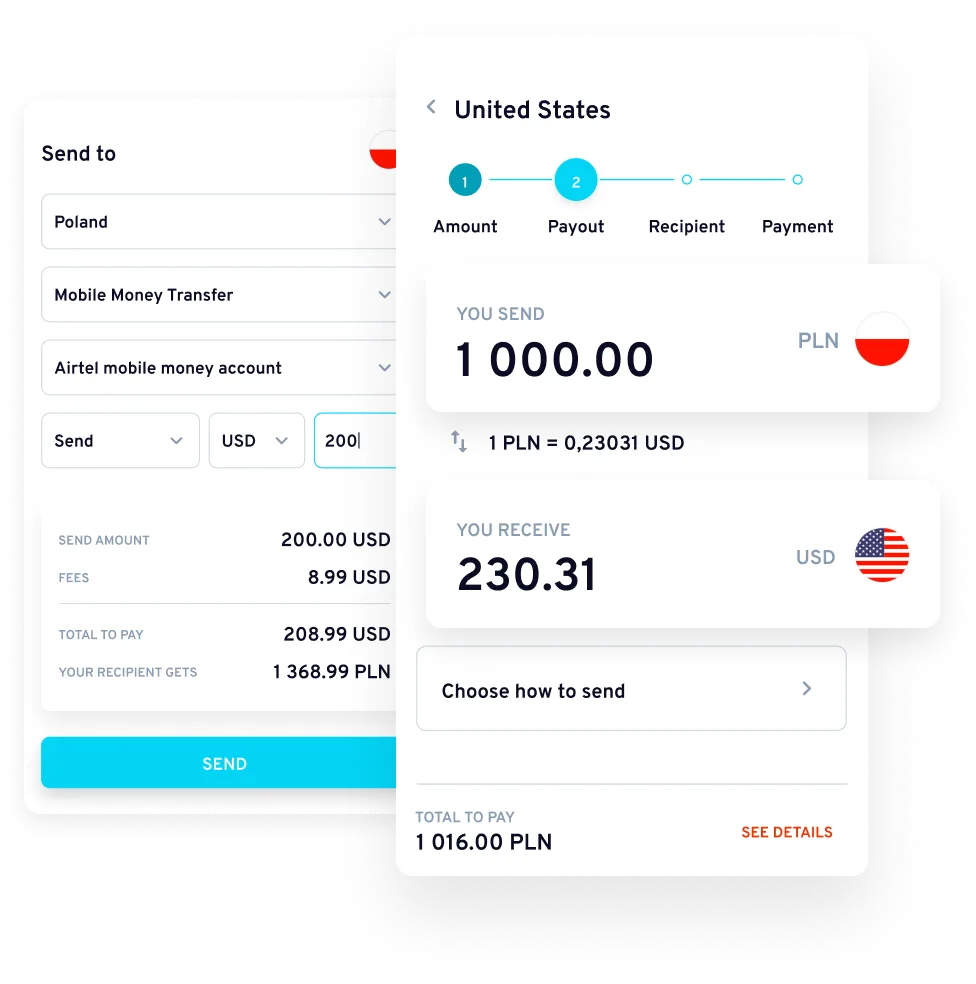
Fintech Engineering Articles
Beyond payments, fintech splits into a handful of engineering-heavy sub-domains where the same rigor applies. Insurtech platforms are essentially distributed claims pipelines with strong audit requirements. Lending platforms live or die on their decisioning and KYC pipelines. Regtech is compliance software with product expectations. And open banking has quietly become the substrate underneath a growing share of these products, exposing the question of how to build on APIs you do not own, handle consent correctly, and design for graceful degradation when an upstream bank's sandbox does not match production. We cover each of these with the same practitioner bias, and we are candid about where open banking still does not deliver what the marketing promised.
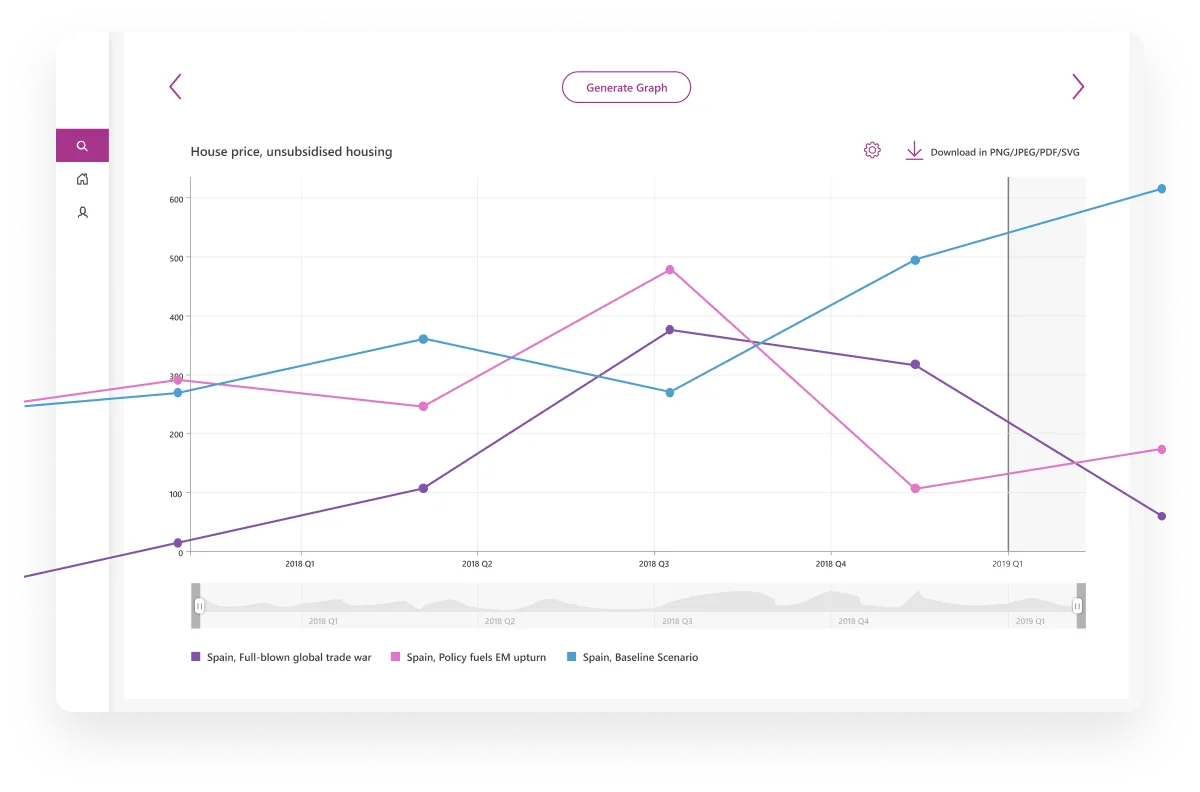
In fintech, most of the engineering decisions that matter are invisible from the product surface. A clean checkout flow can sit on top of a ledger that cannot actually prove its own balances at end of day, and nobody will know until an auditor or a reconciliation break finds it first. At Mobile Reality we have seen this pattern enough times that we treat ledger correctness, idempotent payment flows, and auditable KYC pipelines as non-negotiable foundations — not features to retrofit once the product has traction. In a regulated domain, engineering discipline is the product.

![[object Object]](/static/1f51e346be013d78edc76f20d9fd688f/c4899/ceo-avatar-new.webp)
Fintech Industry Leaders
Subscribe to our newsletter!
Subscribe to our newsletter to be up to date with publications, articles, and insights from tech, fintech, proptech, and blockchain industries.