CRYPTO EXCHANGECryptocurrency Exchange Platform: Legacy Migration to Modern React Architecture
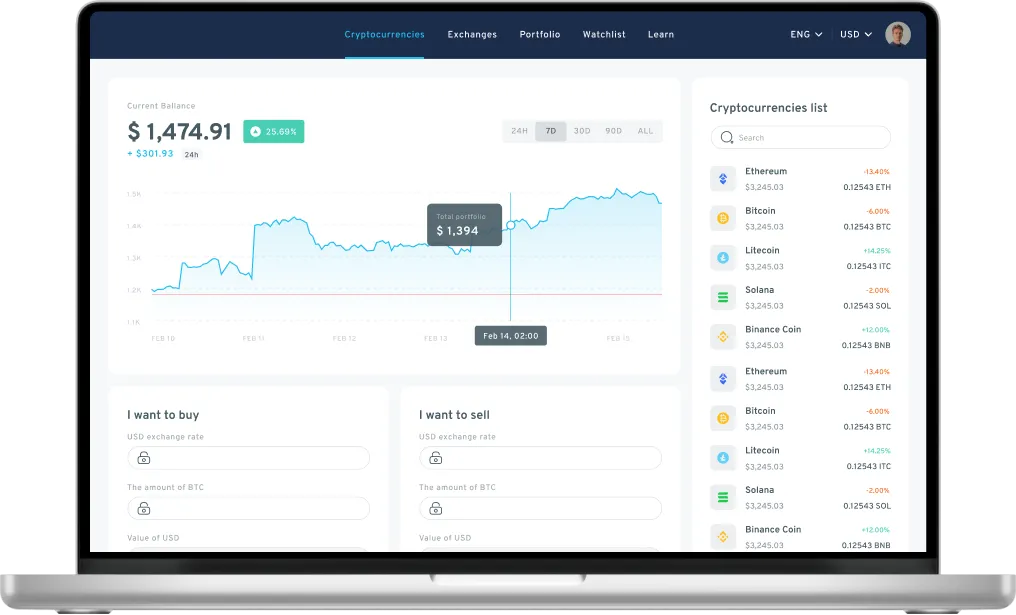
A regulated cryptocurrency exchange platform supporting 50+ digital currencies, providing users with financial tools, portfolio management, and educational resources. Our team led the frontend migration from legacy code to React.js, modernizing the trading interface while maintaining uninterrupted service for existing users.
Scope of work
Web development
React JS
React Native
UX/UI Design
Genesis of the Project
The client operates a regulated crypto exchange that goes beyond simple trading. They provide financial education, portfolio rewards, and tools designed to demystify cryptocurrency investing for mainstream users. As their platform grew, the legacy frontend became a bottleneck: slow, difficult to maintain, and unable to support the modern trading features their users demanded.
Our team was brought in as React.js specialists to plan and execute a comprehensive frontend migration, refactoring legacy code, establishing modern component architecture, and delivering a trading interface that matches the performance expectations of cryptocurrency markets.
Migrating a Live Trading Platform
The core challenge was migrating a live production platform from legacy code to React.js without disrupting active trading operations. This required deep understanding of undocumented legacy processes, careful planning to avoid regressions, and close coordination with the client's existing development team.
Expertises
Fintech & Banking
Location
Poland
Modern React Architecture for Crypto Trading
The primary goal was to deliver a modern React.js frontend for the exchange platform: fast, maintainable, and built with reusable components. React's component-based architecture allowed us to build the trading interface incrementally, migrating sections progressively while keeping the platform live.
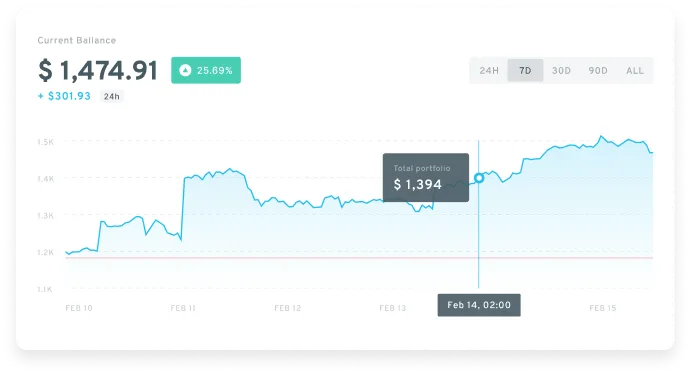
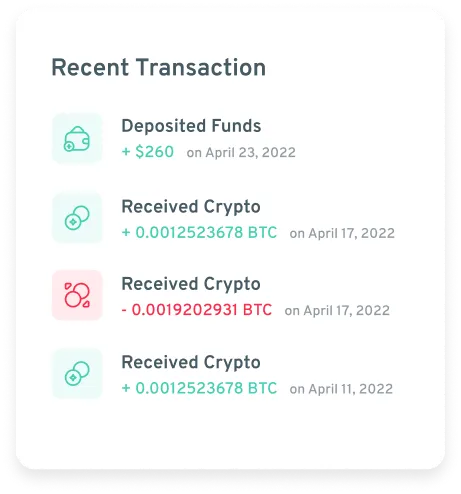
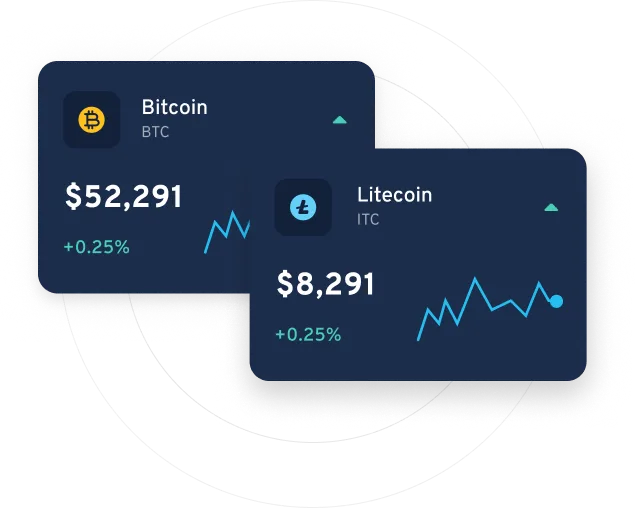
We focused on creating an intuitive trading UI that presents complex market data (order books, price charts, portfolio performance) in a clean, responsive interface. The component reuse strategy significantly accelerated development by allowing us to compose complex views from well-tested building blocks.
Incremental Migration with Component Reuse
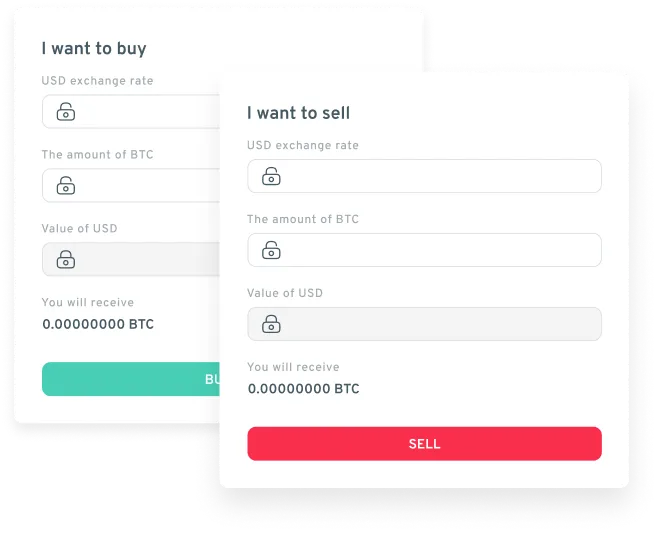
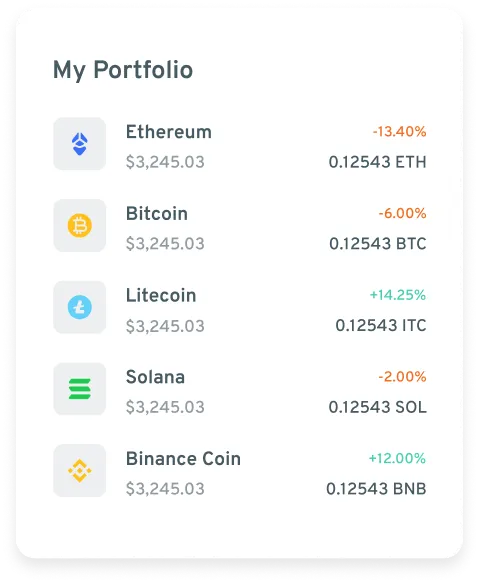
We used React.js with a component-based architecture, building reusable UI components that could be composed across the trading platform: portfolio views, order forms, market charts, and account management screens. This approach reduced development time and ensured visual consistency.
The migration was executed incrementally. We replaced legacy views one at a time, testing each against the existing functionality before switching. Performance monitoring throughout the process confirmed improvements in page load times, interaction responsiveness, and overall user experience.
Summary
We successfully migrated a live cryptocurrency exchange from legacy code to a modern React.js architecture. The new frontend delivers faster performance, cleaner UX, and a maintainable codebase that supports rapid feature development.
The project demonstrates our expertise in legacy migration for fintech platforms, handling the complexity of live production systems, undocumented processes, and the strict reliability requirements of financial trading applications.
Start your AI agent project today
Request a call today and get free consultation about your custom software solution with our specialists. First working demo just in 7 days from the project kick‑off.
Matt Sadowski
CEO of Mobile Reality

Case studies
Explore our past successes and see our expertise in action with our fintech case studies. Discover how we've helped financial industry drive growth and success from mobile apps to data analysis.



Frequently Asked Questions
Order matching is a small fraction of the work. A regulated exchange needs KYC / AML onboarding, sanctions screening, transaction monitoring with Travel Rule support (FATF Recommendation 16), custody architecture (hot/cold wallet split, multi-sig, hardware security modules), market surveillance, and audit-grade reporting for regulators. The frontend is the visible 10%; compliance and custody operations are the rest.
Legacy frontends slow you down in three ways: feature velocity drops as the codebase ages, mobile parity becomes painful, and onboarding new engineers gets expensive. A migration to modern React (with TypeScript and a component library) pays back when you need to ship education content, trading view widgets, portfolio dashboards, and mobile-responsive flows that mainstream users expect. The win is not technical purity — it's faster shipping under regulatory pressure.
The strangler fig pattern works: ship the new shell first, then migrate routes one at a time behind feature flags. New features land in the new stack; old features get rewritten as their owners touch them. A reverse proxy (or Next.js middleware) routes traffic to legacy or new based on URL pattern. The team continues shipping, and the legacy code shrinks every sprint. Big-bang rewrites fail more often than they succeed.
Live order book updates, ticker prices, position changes, and trade fills all flow over WebSocket connections from the matching engine to the client. The client maintains a local state cache (Redux Toolkit, Zustand, or similar) reconciled with snapshots and incremental updates. Backpressure handling matters during volatile moves — a session that can't keep up should resync from snapshot rather than process a stale stream. TradingView's charting library handles the chart layer for most exchanges.
The pragmatic answer is React Native with shared business logic, types, and API clients between web and mobile. The trading UI itself is rebuilt natively for mobile (gesture-driven order entry, biometric auth) but the lower layers — state management, request retries, validation schemas — come from a shared package. For purely informational screens (portfolio, news, education), web views or React Native screens both work; native is preferable for App Store reviewability.